Mar
19/2026
Walk into any kitchen store, and you'll face a wall of knives with bewildering claims about steel, craftsmanship, and origin. What does it all mean? Let's demystify some key knowledge points about the kitchen knife industry.
1. The Heart of the Knife: Steel
The type of steel is everything. You'll mainly encounter:
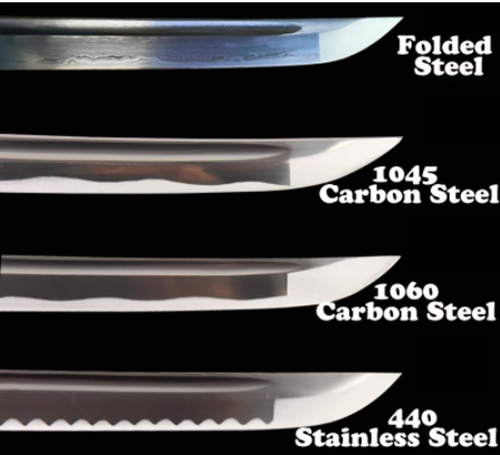
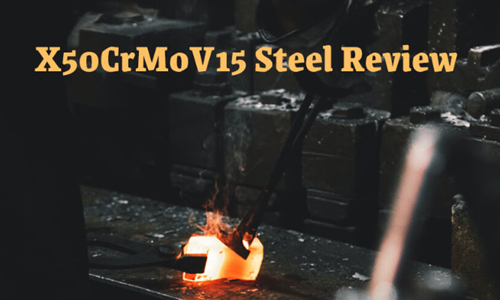
* German/Austrian Stainless Steel (e.g., X50CrMoV15): The industry workhorse. Known for excellent toughness, corrosion resistance, and ease of sharpening. It's durable and forgiving, perfect for a bustling home kitchen.
* Japanese High-Carbon Stainless Steel (e.g., VG-10, SG2): Offers a harder steel, which means it can hold a sharper, more refined edge longer. SG2 is a "powder metallurgy" steel, allowing for an exceptionally fine, sharp, and durable grain structure.
* Traditional High-Carbon Steel (e.g., Blue/White Paper Steel): Used by master Japanese artisans. It gets incredibly sharp and is a joy for pros to sharpen, but it requires diligent drying to prevent rust. It's all about ultimate performance.
2. Construction: How the Knife is Built
* Stamped: Blades are cut from a large sheet of steel, then sharpened. They are often lighter and more affordable. Modern stamping can produce excellent blades.
* Forged: A bar of steel is heated and hammered (or drop-forged) into shape. This process aligns the steel's grain structure, often resulting in a heavier, more durable, and balanced knife. It's associated with premium brands.
3. The Geometry of the Edge
This is a major differentiator between Western and Japanese styles.
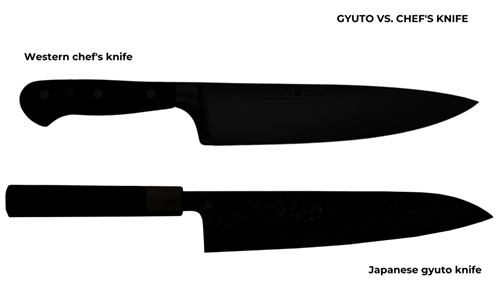
* German/Chef's Profile: Features a curved belly and a double-bevel (edge ground on both sides) at roughly 20 degrees per side. Designed for a rocking motion.
* Japanese Gyuto Profile: Typically flatter and features a double-bevel, but often at a more acute angle (15 degrees per side) for sharper, precision slicing.
* Japanese Santoku Profile: The versatile "three virtues" knife. Shorter, with a flat belly and a "sheep's foot" tip, ideal for push-cutting.
* Single-Bevel (e.g., Yanagiba, Usuba): Used in specialized Japanese knives. The edge is ground on only one side, allowing for incredibly precise, clean cuts but requiring specialized skill to use and sharpen.
4. The Handle & Balance Point
Handles can be western (full-tang, riveted) or Japanese (Wa-style, with a light wood handle attached via a hidden tang). The balance point—where the knife rests perfectly on your finger—is crucial. A handle-heavy knife feels different from a blade-heavy one; the preference is personal and task-dependent.
5. Brands: The Hierarchy
* Mass-Market Giants: Brands like Zwilling J.A. Henckels (Germany) and Wüsthof (Germany) dominate with globally recognized, reliable forged lines.
* Japanese Powerhouses: Global brands like Shun (by Kai) and Miyabi (by Zwilling) offer exceptional craftsmanship, blending Japanese techniques with Western-friendly designs.
* Artisan & Boutique Brands: This is where you find hand-forged knives from specific Japanese regions (Takefu, Sakai) or small-scale Western makers. These are often considered the pinnacle of the craft, with unique steels and custom grinds.
The Takeaway: The "best" knife doesn't exist. It's a balance of the right steel for your maintenance habits, the right geometry for your cutting style, and a feel that inspires confidence in your hand. Understanding these basics turns a confusing purchase into an informed choice.
What's your priority in a knife: edge retention, ease of sharpening, or rust resistance? Let us know in the comments!
We look forward to working with you.
View More
Related Products

 S02340 Multi-Function Tactical Entrenching Tool, 16-in-1 Survival Shovel with Serrated Edge, Knife,
View More
S02340 Multi-Function Tactical Entrenching Tool, 16-in-1 Survival Shovel with Serrated Edge, Knife,
View More 
 KA81 Hollow Aluminum Alloy Fish Gripper with Safety Lanyard, Stainless Steel Fish Lip Grip Plier, Po
View More
KA81 Hollow Aluminum Alloy Fish Gripper with Safety Lanyard, Stainless Steel Fish Lip Grip Plier, Po
View More
 S02313 Professional Multi-Tool Hammer, Outdoor Camping Survival Multitool with Axe Knife Pliers
View More
S02313 Professional Multi-Tool Hammer, Outdoor Camping Survival Multitool with Axe Knife Pliers
View More
 HS3039 6 pcs Hot selling Forged ABS Double-steel head handle kitchen knife set with wood knife stand
View More
HS3039 6 pcs Hot selling Forged ABS Double-steel head handle kitchen knife set with wood knife stand
View More


 FR
FR  ES
ES  AR
AR  RU
RU  DE
DE